


Flowers that Symbolise Joy

Flowers have held symbolic meanings for years and each type represents a unique message. As joy is a complex emotion interpreted differently by individuals, we will explore its essence, the history of flower symbolism, and the different flowers that symbolise joy. We will also mention other symbolic gestures and objects that can express joy.
Table of Contents
The meaning of Joy and its variations
Joy is a positive emotion often characterised by happiness, pleasure, or delight. It can be a fleeting feeling or a more sustained sense of contentment. The way people experience and understand joy may vary depending on their perspective and cultural background, sometimes viewing it as a spiritual experience and others simply as a positive feeling.
Joy can come in different forms, such as pure joy, happiness and bliss, each having its own qualities. For instance, pure joy can be felt after a big achievement, while happiness can be a prolonged feeling of satisfaction. Flowers may not make you happy forever, but they will make you feel good.
Flowers that Symbolize Joy
Let's delve into details and discover which flowers symbolise joy, each with unique characteristics and meanings. Here are some of the most popular:
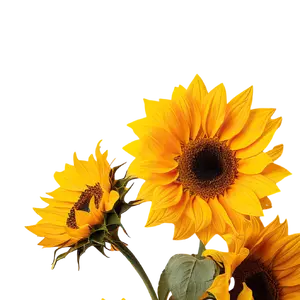
Sunflowers
Sunflowers are linked to happiness due to their bright appearance and habit of facing the sun. Their name also reflects this connection to the sun. Sunflowers can track the sun's movement, which is known as heliotropism. They will start facing east in the morning and follow the sun's movement westwards throughout the day. This behaviour symbolises adaptability and the ability to flourish in varying conditions.

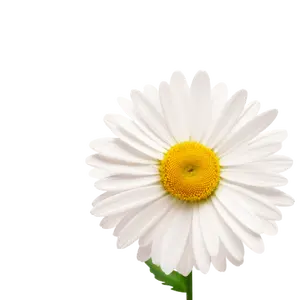
Daisies
The simple and charming appearance of daisies often makes people associate them with joy and happiness. They have a classic look and are often linked to sunny meadows and happy memories. Also, their bright white petals with yellow centres make for a cheerful and optimistic color combination.

Marigolds
Marigolds are bright and bold flowers, usually orange or yellow in colour. They are commonly associated with joy because of their vibrant appearance. Additionally, marigolds hold cultural significance in many regions around the globe.

In some cultures, marigolds are linked with the sun and represented warmth, light, and positivity. Moreover, they are frequently employed in festivals and ceremonies. For instance, during the Mexican Day of the Dead, they adorn altars and graves, honouring the departed and bringing delight to the living.
Orchids
The exotic and unique beauty of orchids often brings joy and cultural significance in many parts of the world. With their intricate and delicate appearance, orchids come in various colours and shapes that create a sense of wonder and awe. Orchid blossoms symbolise luxury, elegance, and refinement in several cultures and are popular gifts for special occasions like weddings and anniversaries because they represent love and beauty.

Under the right conditions, orchids can bloom for several months and even years. Their longevity is often seen as a symbol of resilience and endurance, inspiring positive feelings of hope.
Of course, in addition to flowers, there are many other symbolic gestures and objects that can be used to express joy. But, to be honest, flowers are typically associated with life and convey a sense of freshness.
Final Thoughts
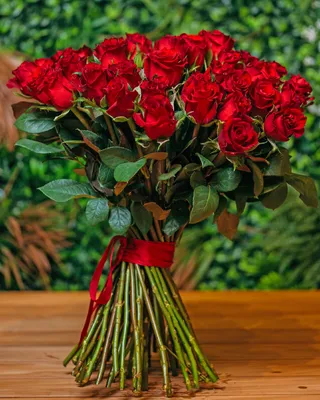
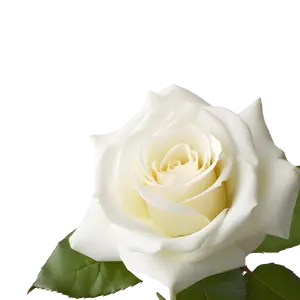
To sum up, flowers have a deep connection with emotions and have been utilized to express feelings since ancient times. Flowers that signify happiness are an embodiment of optimism and contentment. Sunflowers, daisies, marigolds, roses and orchids are just a small part of the flowers that showcase joy and happiness. Definitely, classy flower bunches or bouquets have the ability to create a sense of positivity and can bring a smile to someone's face, no matter what the occasion.