Flowers that Cause Allergies

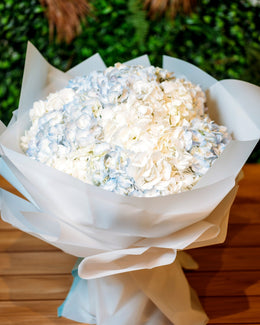
Short answer: the flowers most likely to cause allergies are those with light, airborne pollen, especially members of the daisy family such as ragweed, goldenrod, chamomile, daisies, sunflowers and chrysanthemums. Lower-allergen choices for bouquets include roses, tulips, orchids, hydrangeas and peonies. Strongly scented flowers such as Oriental lilies can also trigger symptoms in sensitive people.
Flowers are often associated with beauty, fragrance, and vitality. They bring joy and happiness to people's lives. However, for some individuals, blooms can cause discomfort and even severe health problems due to allergies. Allergies and its symptoms occur when the immune system overreacts to a foreign substance, such as flower pollen. Let's delve into the details and explore the flowers that cause allergies, the symptoms associated with exposure, and the methods for preventing and treating any types of allergies.
What are allergies?
When allergies happen, it means your immune system thinks something that is usually harmless is dangerous and reacts too strongly. This causes histamines and other chemicals to be released, leading to symptoms like sneezing, coughing, a runny nose, itchy eyes, and skin rashes. Many things can cause allergies, such as pollen, dust mites, animal hair, and certain foods.
Why do some people have allergies to certain types of flowers?
The development of allergies can be influenced by both genetics and environmental factors, making some people more susceptible than others. Those with a family history of allergies or asthma are more prone to developing allergies to flowers. Let's also not forget about exposure to specific environmental factors such as pollution or cigarette smoke can also increase the chances of developing allergies.
Allergenic Flowers
Several flowers are known to cause allergies. The following flowers are the most common culprits.
Ragweed
Ragweed is a type of weed found commonly throughout North America. Mainly, it blooms between August and November, and can produce a lot of pollen. Due to its lightweight, ragweed pollen can travel long distances by wind. Allergic rhinitis, which causes sneezing, runny nose, and itchy eyes, can happen by exposure to this pollen.

Ragweed is a tall green plant that produces small, yellowish-green flowers with no noticeable fragrance. If you come into contact with ragweed pollen, you may experience symptoms such as sneezing, a runny nose, itchy eyes, and throat irritation. It can also cause asthma attacks sometimes.
Goldenrod
Goldenrod is a yellow-flowering plant that is commonly found in North America. It typically blooms from August to October and produces large amounts of pollen. Despite its reputation as an allergenic plant, goldenrod pollen is not a significant cause of allergies.

The goldenrod plant is tall and has bright yellow flowers that grow in bunches. These flowers are usually fragrant and draw in bees and other insects. Even though goldenrod pollen is generally not a major source of allergies, some people may still have symptoms such as sneezing, a runny nose, and itchy eyes when they come into contact with the plant.
Daisy
Daisies are a common flower often used in bouquets and floral arrangements. They typically bloom from spring to early summer and produce large amounts of pollen.
Daisies come in various colours, including white, yellow, and pink. They have a distinctive shape, with a round centre and long petals surrounding them.
Exposure to daisy pollen can cause allergic rhinitis, characterized by sneezing, runny nose, and itchy eyes.

Prevention & Treatment
There are several methods for preventing and treating allergies caused by flowers.
Avoiding exposure to flowers that cause allergies is the most effective method. Also, antihistamines are the most used over-the-counter medications for treating allergies. They work by blocking the effects of histamine, a chemical released by the body in response to allergens. Common antihistamines include cetirizine, loratadine, and fexofenadine. These drugs are usually safe and effective but can cause drowsiness in some people. Nasal corticosteroids are another option and can be particularly effective for treating nasal symptoms like congestion and sneezing. These drugs reduce inflammation in the nasal passages and can provide relief for several hours after use.
Prescription medications may be needed for severe allergies. Immunotherapy, or allergy shots, involves injecting small amounts of allergens into the body over time to build immunity. It is usually used for severe allergies that don't respond to other treatments. Biologic medications are an alternative for severe allergies. These medications hinder the immune system's reaction to allergens and can treat allergic asthma and other symptoms effectively.
Final Thoughts
Flowers, despite their beauty, can cause discomfort and misery for people with allergies. Sneezing and itching are common symptoms, as well as more severe respiratory issues, especially with allergenic flowers such as ragweed, goldenrod, and daisies. Nevertheless, various prevention and treatment options exist, ranging from avoidance strategies to over-the-counter and prescription medications. To find relief from possible allergies, it's important to discuss your symptoms and needs with a doctor for proper treatment. With the right approach, you can appreciate the beauty of flowers without the discomfort of allergies.
Allergy-Friendly Flowers for a Gift
If the recipient has allergies, choose flowers whose pollen is heavy and rarely airborne: roses, tulips, orchids, hydrangeas and peonies. Ask the florist to remove lily anthers, avoid heavily scented flowers in small rooms, and change the vase water often, because standing water can also grow mold.
Are Peonies Allergy-Friendly?
Peonies are generally considered low-allergen, because their pollen is relatively heavy and not easily carried by air. Their fragrance can still bother very sensitive people, so in that case choose lightly scented varieties or roses instead.
Flowers and Allergies in Dubai
In Dubai, most bouquets spend their life in closed, air-conditioned rooms, where pollen and scent concentrate more than in a ventilated home. Place flowers away from bedrooms for allergy-prone people, and check the rules before sending flowers to a hospital, as some wards do not accept them. Low-allergen options include our rose bouquets, tulip bouquets and hydrangea bouquets.
Flower Allergy FAQ
Which flowers are worst for allergies?
Flowers with light, airborne pollen, especially the daisy family: ragweed, goldenrod, chamomile, daisies, sunflowers and chrysanthemums.
Which flowers are best for people with allergies?
Roses, tulips, orchids, hydrangeas and peonies are usually well tolerated, because their pollen is heavy and rarely airborne.
Can lilies cause allergies?
Lily pollen is heavy but abundant and strongly scented, so it can irritate sensitive people. Removing the anthers helps.
Lovely bouquets
View Collection